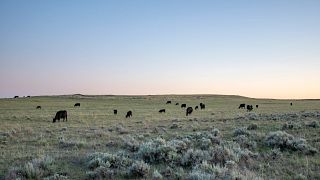
raising beef
Raising beef is a complex process, but throughout the entire journey, one thing remains constant – the shared commitment to raising cattle in a safe, humane and environmentally sustainable way. Currently, more than 90% of U.S. farms and ranches are family-owned and operated. Learn more about the people who are invested in raising high-quality, sustainable beef for generations to come.

rethink the ranch map
Click on our interactive map to see how beef farmers and ranchers around the country are implementing land-saving, wildlife-preserving, and award-winning environmental efforts in your state.
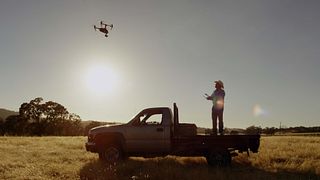
rethink the ranch
Much has changed since the days of cowboys, cattle drives and the Old West. Today, it's more about drones, apps and computers. Learn about real, modern ranchers, how they care for the cattle, what inspires them and why they work so hard day after day.
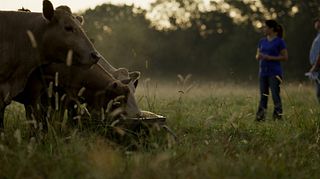
BEEF QUALITY ASSURANCE: RAISING THE BAR ON RAISING CATTLE
The beef community has a long-standing commitment to caring for their animals and providing families with the safest, highest-quality beef possible. The Beef Quality Assurance (BQA) program trains farmers and ranchers on best practice cattle management techniques to ensure their animals and the environment are cared for.
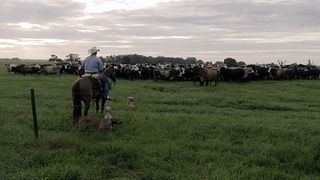
The Beef production story
The process of raising beef is among the most complex of any food. Across this journey, one primary thing remains constant – the beef community’s shared commitment to raising cattle in a safe and environmentally sustainable way.
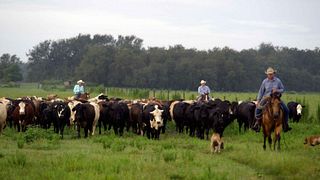
beef in a healthy, sustainable diet
Learn how beef promotes health and helps prevent nutrient deficiencies, and the ways in which cattle play a unique role in our food system by upcycling inedible plants to high-quality protein.
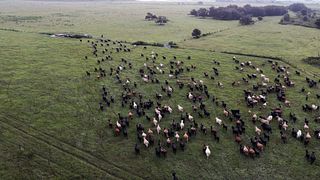
Ensuring Beef Safety, from Farm to Fork
From farm to fork, everyone plays an important role in beef safety. Safety plays an essential function across the beef lifecycle journey – from the cattle ranches across the U.S., to the meat processing plants, to your kitchen table.
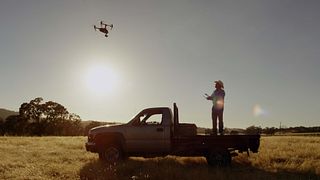
Animal Care and the modern rancher
Cattle ranchers have many tools to keep the animals in their care healthy and safe, including nutrition programs, veterinary care and good management practices that are science-based, regulated and, above all, good for the animal and the consumer.
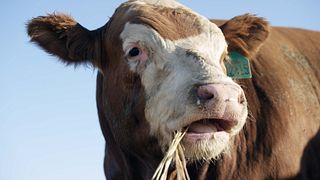
Beef Sustainability
To the beef community, sustainability involves more than environmental considerations. A sustainable food supply balances efficient production with environmental, social and economic impacts with Beef Quality Assurance protocols.
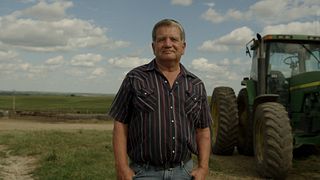
meet members of the beef community
Join us as we travel across the country and meet some of the hard-working cattle farmers and ranchers who help feed the world by bringing beef from pasture to plate.
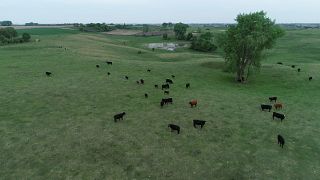
CATTLEMEN AND THE ENVIRONMENT
Today beef is produced using fewer resources than ever before. But conservation is never complete; ranchers work hard to feed a growing population with with regenerative practices that reduce water use, care for the land, and protect the environment.
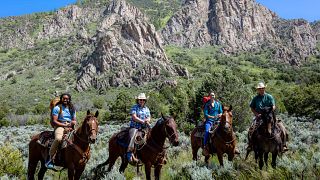
RANCHERS & OUTDOORSMEN: SHARED VALUES OF CARING FOR THE LAND
When you picture a rancher, you probably picture a cowboy hat, boots and a horse. You’re probably not picturing a conservationist. And yet, that’s exactly what ranchers are. While raising cattle, they work to protect and conserve the land that they have been entrusted to manage and that we all depend on. Without them, this land would be developed and the open spaces we all cherish would be lost.

BEEF SUSTAINABILITY FOR KIDS
Beef farmers and ranchers are committed to raising cattle in a way that is good for the planet. In fact, cattle do more than provide beef for you to eat: they also preserve the land where they live. Use the videos, games and images below to learn about the hard-working families who help feed the world and care for land across the United States.

beef and meat substitutes
People have always had a variety of different food and protein options to choose from, and today, that’s no different. What sets beef apart is that it’s a high-quality protein that is authentic, real and raised responsibly. Today, farmers and ranchers are raising more delicious beef more sustainably than ever before.

rancher recipes
These Rancher dishes originated on the farm – but even urban cowboys will appreciate these down-home, top-notch, feel-good meals. Crafted by ranchers across America, these meals are flavorful, nutritious and proven to satisfy the heartiest of appetites.